Water damage can happen without warning, and when it does, the impact on a home or commercial property can be both immediate and long-lasting. From burst pipes and roof leaks to appliance malfunctions and flooding, excess water has the power to compromise structural integrity, damage valuable belongings, and create hazardous indoor conditions. That is why professional Water Damage Alexandria services are essential. Acting quickly and relying on experienced restoration specialists can mean the difference between a manageable repair and a costly reconstruction project.
Water damage services are designed to address every stage of the problem, from emergency response and water extraction to drying, cleaning, and full restoration. The primary objective is not only to remove visible water but also to eliminate hidden moisture trapped behind walls, under flooring, and inside structural materials. Without proper mitigation, this moisture can lead to mold growth, wood rot, electrical hazards, and deterioration of building components.
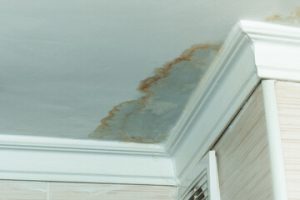
One of the most critical factors in water damage restoration is response time. Water begins to soak into porous materials within minutes. Drywall, insulation, carpeting, and wooden framing can quickly absorb moisture, leading to swelling, staining, and warping. Within 24 to 48 hours, mold can begin to develop, creating additional health and structural concerns. Professional water damage services operate with urgency because they understand how rapidly conditions can worsen.
The process typically begins with a comprehensive inspection and assessment. Restoration technicians use moisture meters, infrared cameras, and hygrometers to determine the extent of water intrusion. This assessment allows them to classify the type of water involved and the severity of the damage. Water is generally categorized into three types:
- Clean water, which comes from sources like broken supply lines or rainwater.
- Gray water, which may contain contaminants from appliances or plumbing fixtures.
- Black water, which includes sewage or floodwater and poses serious health risks.
Understanding the category of water is essential because it dictates the cleaning procedures, protective equipment, and sanitation protocols required during restoration.
After the assessment, the next phase is water extraction. Industrial-grade pumps and high-powered vacuums are used to remove standing water efficiently. The goal is to extract as much water as possible in the shortest amount of time. Quick extraction significantly reduces secondary damage and shortens the overall drying timeline. However, removing visible water is only part of the solution. Moisture often remains in hidden areas, and that is where advanced drying techniques come into play.
Drying and dehumidification are crucial components of professional water damage services. Restoration specialists deploy commercial air movers, dehumidifiers, and air scrubbers to accelerate evaporation and remove excess humidity from the air. By creating controlled airflow and maintaining optimal temperature conditions, technicians ensure that building materials dry thoroughly and evenly. Monitoring equipment is used daily to track moisture levels and confirm that the property is progressing toward safe and stable conditions.
Cleaning and sanitizing follow once the affected areas are dry. Even clean water incidents can leave behind residues or bacteria, while gray and black water situations require more intensive disinfection. Surfaces are treated with antimicrobial solutions to prevent mold and bacterial growth. Carpets, upholstery, and personal belongings may undergo specialized cleaning processes, including hot water extraction or dry cleaning methods. In cases involving contaminated water, certain materials may need to be removed and replaced to protect occupants’ health.
Mold prevention is a central concern in any water damage scenario. Mold spores are naturally present in indoor environments, but they thrive in damp conditions. If moisture is not properly addressed, mold colonies can spread quickly, damaging surfaces and compromising indoor air quality. Professional water damage services include proactive measures such as targeted antimicrobial treatments and thorough moisture control to minimize the risk of mold development.
Structural repairs and restoration mark the final stage of the process. Depending on the severity of the damage, this may involve replacing drywall, installing new insulation, repairing flooring, repainting walls, or even reconstructing entire sections of a building. The objective is to return the property to its pre-damage condition, both aesthetically and structurally. Skilled restoration teams coordinate these repairs efficiently, ensuring that the property is not only dry but also safe and visually restored.
Water damage services are not limited to major flooding events. Many property owners underestimate the impact of small leaks. A slow drip behind a wall or under a sink can cause significant damage over time. Hidden moisture can deteriorate subflooring, weaken support beams, and encourage mold growth without obvious signs until the problem becomes severe. Routine inspections and early intervention are powerful strategies for preventing large-scale restoration needs.
There are several common causes of water damage that property owners should be aware of:
- Plumbing failures, including burst pipes, leaking joints, and worn-out supply lines.
- Roof leaks resulting from damaged shingles or flashing.
- Appliance malfunctions such as overflowing washing machines or faulty water heaters.
- Clogged gutters that cause water to back up and seep into walls or foundations.
- Foundation cracks that allow groundwater intrusion.
Understanding these risks allows property owners to take preventative measures. Regular maintenance, proper insulation, and timely repairs can significantly reduce the likelihood of water-related incidents.
In addition to structural concerns, water damage can affect indoor air quality and occupant health. Damp environments create ideal conditions for allergens, bacteria, and mold. Prolonged exposure to these contaminants can cause respiratory issues, skin irritation, and other health complications. By investing in professional water damage services, property owners protect not only their buildings but also the well-being of those who live or work inside them.
Another important aspect of water damage restoration is documentation and insurance coordination. Many restoration professionals assist clients by documenting damage, photographing affected areas, and providing detailed reports. This documentation can support insurance claims and streamline the approval process. Clear communication between restoration teams and insurance providers helps ensure that repairs proceed efficiently and with minimal financial uncertainty.
Technology continues to enhance the effectiveness of water damage services. Advanced moisture detection tools, thermal imaging cameras, and data-driven drying systems allow technicians to identify hidden water pockets and adjust equipment placement strategically. These innovations improve precision, reduce drying times, and help avoid unnecessary demolition. Modern restoration practices focus on preserving as much of the original structure as possible while ensuring complete moisture removal.
When selecting a water damage service provider, property owners should look for trained technicians, proper certifications, and a clear restoration plan. Experience matters, especially when dealing with complex structural damage or contaminated water. A reputable team will provide transparent communication, detailed timelines, and realistic expectations about the restoration process. Professionalism and attention to detail are key indicators of quality service.
Preparation also plays a role in minimizing water damage. While no property is immune to unexpected events, there are practical steps owners can take to reduce risk. These include installing water leak detection systems, insulating pipes to prevent freezing, maintaining drainage systems, and regularly inspecting roofs and plumbing fixtures. Being proactive not only protects the property but also reduces the stress associated with emergency situations.
Water damage services are ultimately about restoration and resilience. Beyond repairing physical structures, they restore comfort, safety, and peace of mind. Experiencing water damage can be overwhelming, especially when personal belongings and important documents are affected. Professional restoration teams approach each project with a structured process designed to bring order to chaos and guide property owners through recovery.
The long-term value of professional water damage services cannot be overstated. Proper mitigation preserves property value, prevents recurring problems, and ensures compliance with building standards. Attempting to handle significant water damage without specialized equipment and expertise often results in incomplete drying and hidden issues that resurface later. Investing in professional restoration is not merely a short-term fix; it is a comprehensive solution designed for durability and long-term protection.
In today’s property management landscape, water damage services are an essential component of responsible ownership. Whether addressing a sudden flood or a slow, unnoticed leak, timely intervention makes all the difference. Through thorough assessment, advanced drying techniques, sanitation, and structural repair, professional restoration teams help properties recover fully and safely.
Water damage may be unpredictable, but the response does not have to be. With the right expertise and a commitment to swift action, it is possible to transform a potentially devastating event into a manageable restoration process. By understanding how water damage services work and why they matter, property owners are better equipped to protect their investments and ensure that their spaces remain secure, healthy, and resilient for years to come.